Apartment Blog Best Practices: 6 Tips to Boost SEO & Engagement
If your apartment community's blog hasn't been updated since last summer, you're leaving easy SEO wins on the table.
A consistent, well-optimized blog is one of the most underused tools in apartment marketing. It helps prospective residents find you organically, builds trust before they ever tour, and gives search engines fresh signals that your property is active and relevant.
Here are 6 ways to make your blog content work harder for both readers and search engines:
1. Write for Two Audiences at Once
Every blog post should serve two readers simultaneously: the prospective resident searching for their next apartment and the search engine crawling for relevance signals.
Topics that consistently perform well include:
- Local neighborhood roundups (think "Best Coffee Shops Near [Property Name]")
- Move-in tips
- Pet-friendly living
- Apartment living tips and tricks
Rather than publishing one-off posts, cluster your content around a few core themes – location, lifestyle, and community – and interlink related posts within each cluster.
This builds topical authority, which signals to search engines that your site is a credible source on these subjects.
2. Get the On-Page SEO Basics Right
A few technical details make a big difference in how your content performs in search:
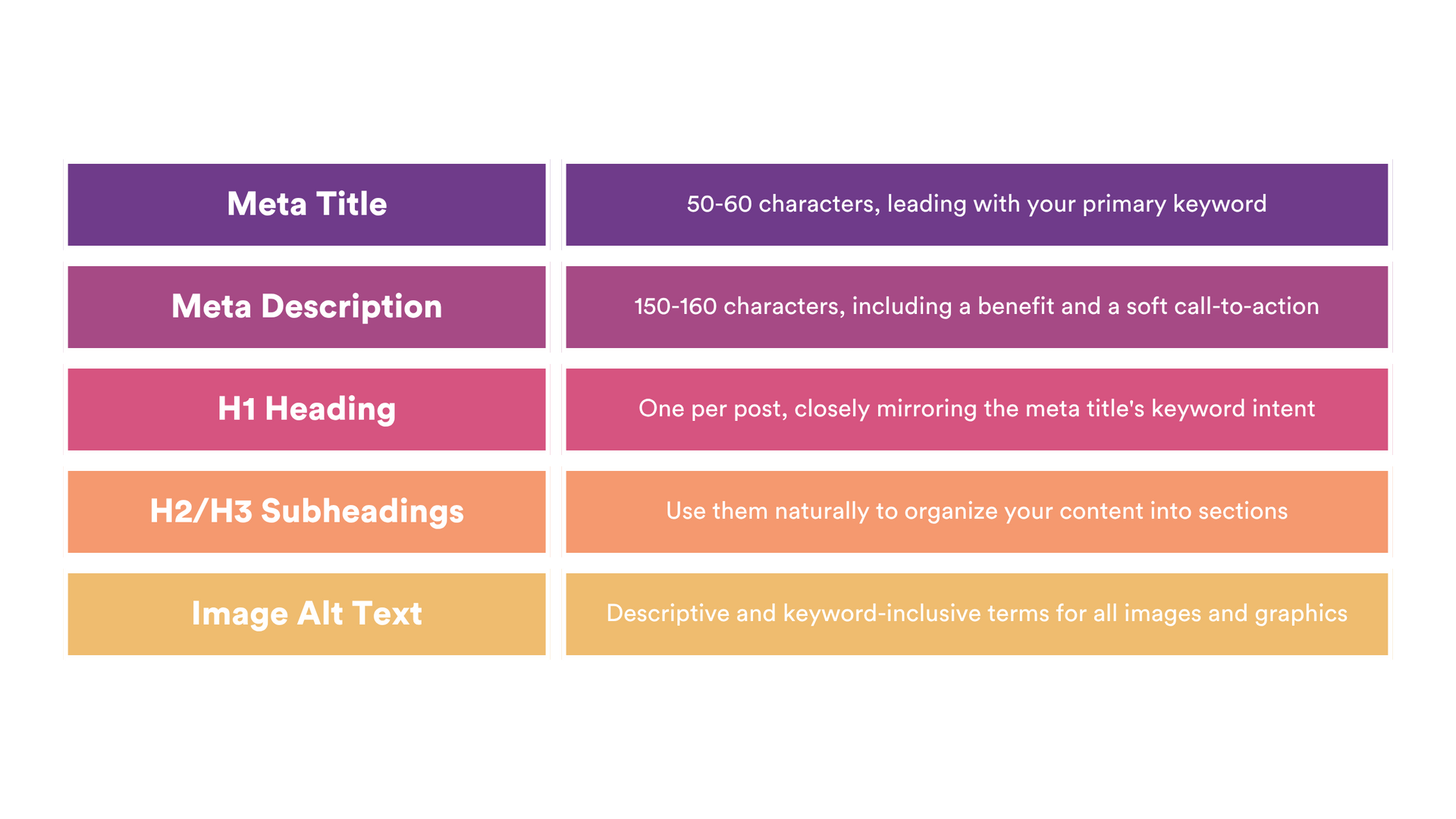
When it comes to keywords, weave in common search formats naturally rather than forcing them:
- Apartments in [city, state]
- Apartments for rent in [city, state]
- [City] apartments
- Pet-friendly apartments in [city, state]
3. Match Length and Format to Content Type
Different post types call for different lengths:
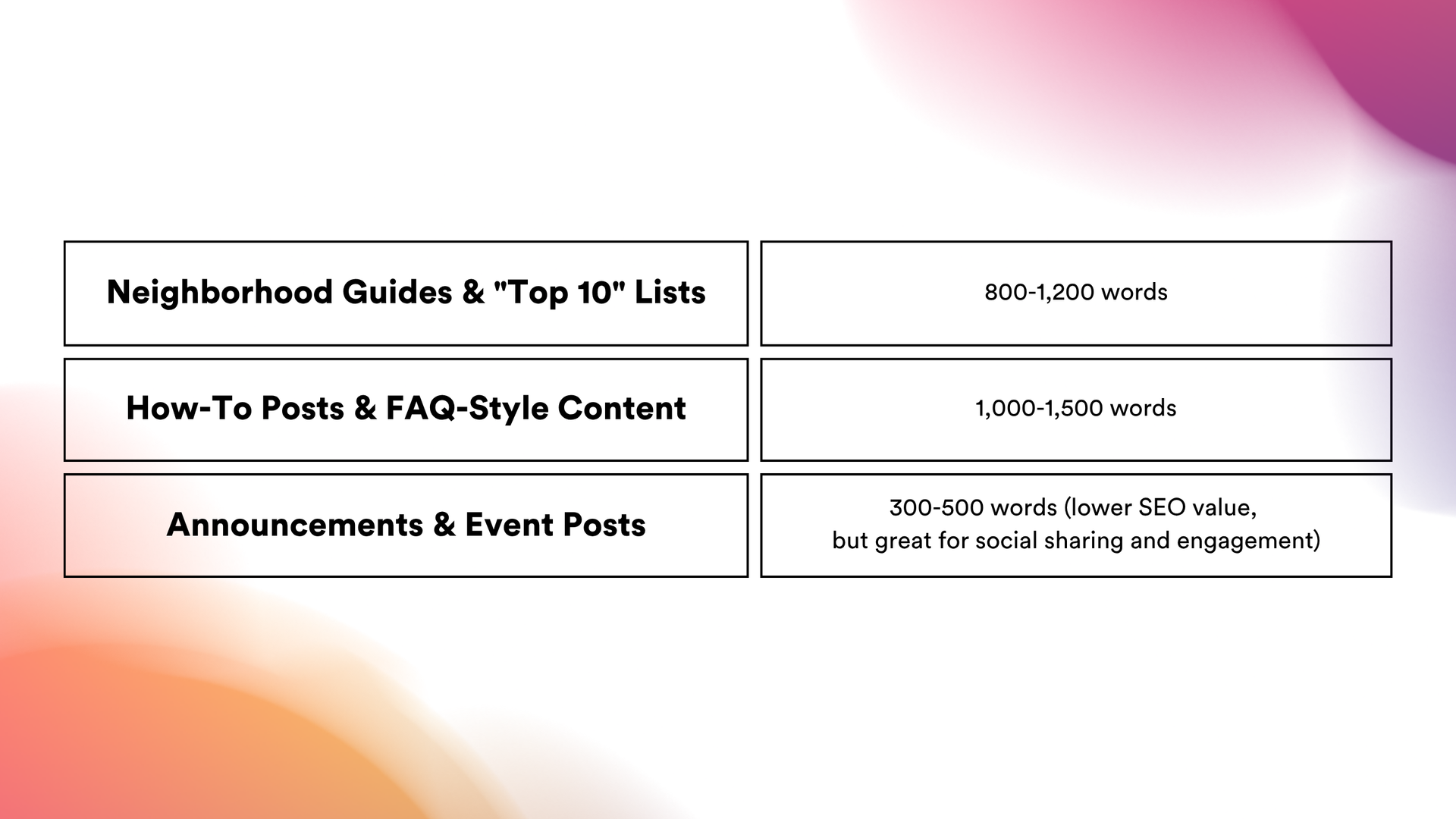
Regardless of length, use short paragraphs, subheadings, and bullet points throughout.
Mobile readers scan rather than read, so a dense wall of text is one of the fastest ways to lose someone before they reach your CTA.
And before anything goes live, give it a final pass for grammar, spelling, and brand voice consistency.
4. Lean Into Local SEO
Renters search hyperlocally, so your content should speak that language:
- Mention the neighborhood, city, and nearby landmarks naturally throughout the post
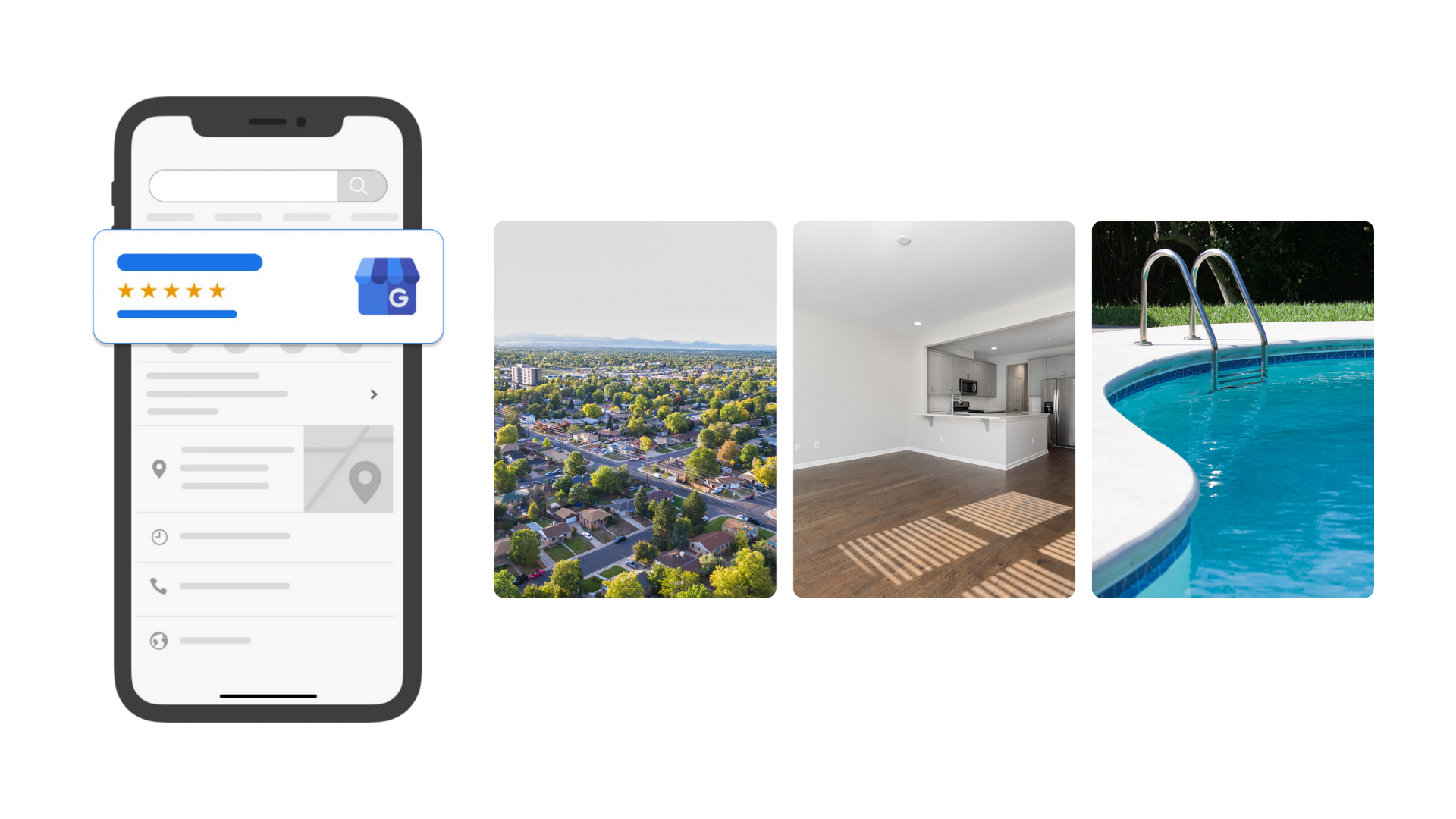
- Link to your Google Business Profile or your property's neighborhood page where relevant
- Reference hyperlocal details like school districts, transit lines, walkable restaurants since these match how renters actually search
5. Give Every Blog Post a Job to Do
A blog post without a clear next step is a missed opportunity.
Every post should end with a clear call-to-action (schedule a tour, view floor plans, or contact the leasing office) and include internal links to relevant pages like amenities, floor plans, or contact info.
Adding social sharing buttons also extends your reach beyond search.
Pro Tip 💡: Check out these 30 Attention-Grabbing CTAs for Your Property Website
6. Track What's Working
Once your content is live, you'll want to know which blog posts are actually moving the needle.
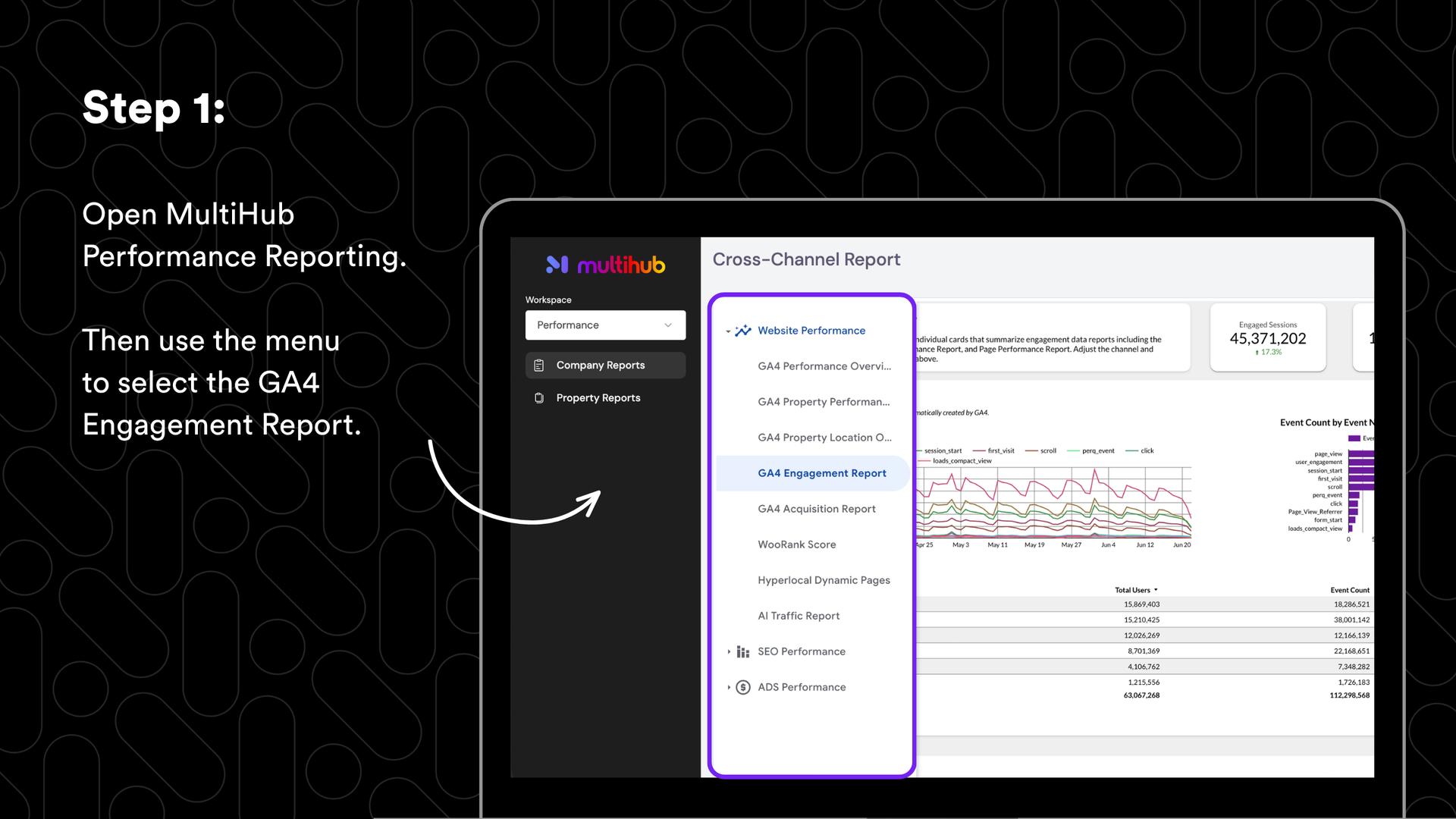
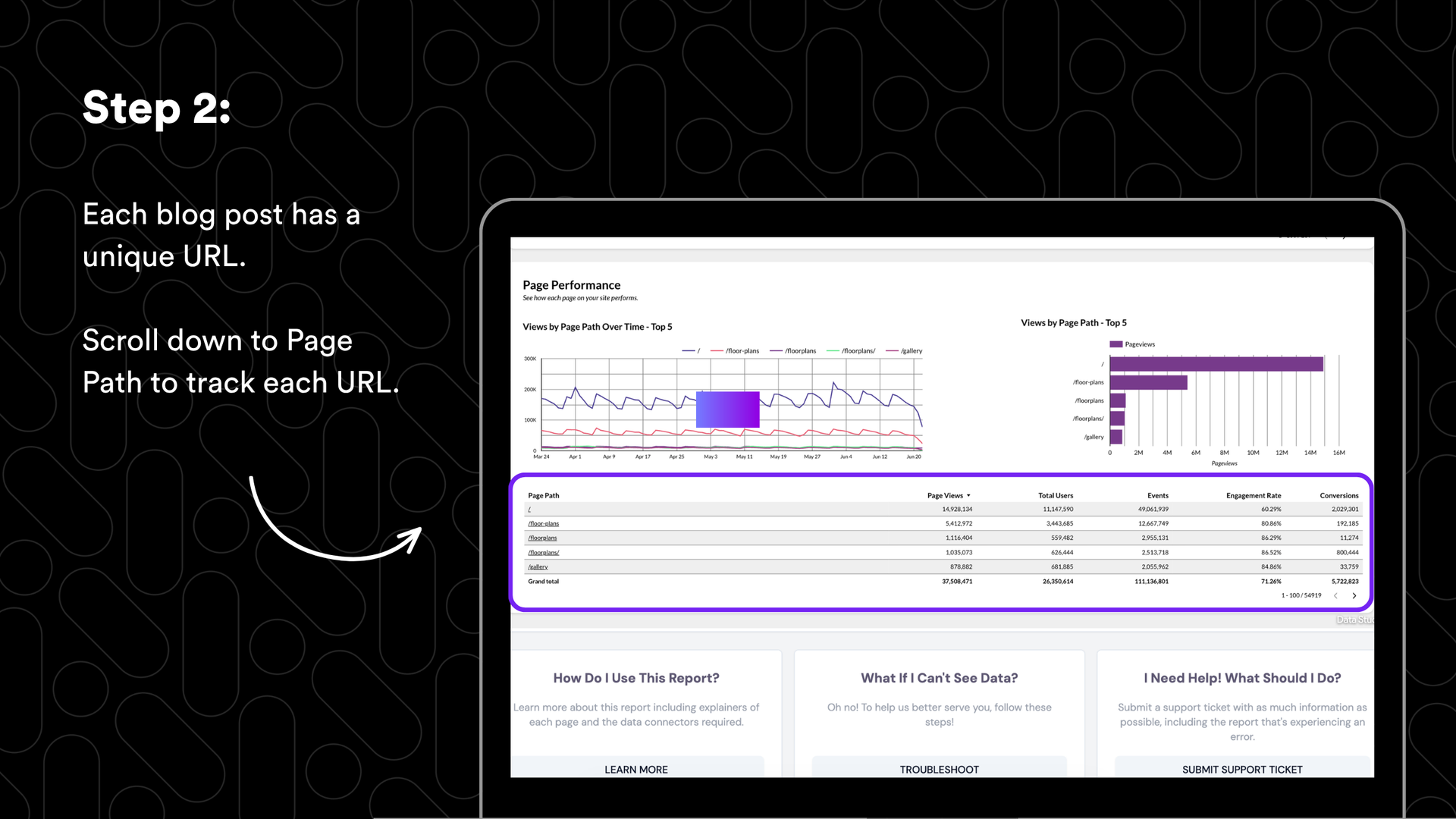
If you're a MultiHub user, you're in luck. Every blog post gets a unique URL, which means you can pull performance by individual page right from the GA4 Page Path Report – available directly in your MultiHub Engagement section.
If you're not yet using
MultiHub, this is exactly the kind of visibility you're missing: knowing not just that your blog is getting traffic, but which type of post is actually driving visits to your property pages.
A Note on Fair Housing Compliance
All blog content should comply with Fair Housing Act guidelines.
The safest approach is to keep neighborhood and lifestyle descriptions focused on amenities and conveniences rather than the people who live there.
Phrases like "great for families" or "perfect for young professionals" can read as a preference for or against a protected class, even when that's not the intent.
Instead, describe the walkability, the parks, the nightlife, or the quiet – let readers draw their own conclusions about who it's for.
Ready to put these best practices into action?
Talk to our team about content audits, technical SEO, and the AI visibility gaps that most property websites don't even know they have.
Repli Apartment Marketing Blog
Subscribe to our Newsletter & Blogs
Blog Post Subscribe Form
Share Our Post!
Apartment Marketing Blog