7 Features That Separate GREAT Multifamily Corporate Websites from the Rest
This is a subtitle for your new post
Imagine this: someone is searching for their next apartment during a lunch break. They open your corporate website with high hopes...and immediately get lost.
They can't find the communities near them. The search filters don't work the way they expect. Every property page looks different. After a few frustrating clicks, they're back on Google looking at your competitor.
The truth is, today's renters expect the same seamless digital experience they get from their favorite online brands. They want fast answers, intuitive navigation, and information that's easy to find, whether they're browsing on a laptop or scrolling on their phone while waiting in line for coffee.
For property management companies with growing portfolios, your corporate website needs to showcase your brand, help prospective residents discover communities they'll love, and make life easier for your marketing and leasing teams.
So, let's get into the 7 features every corporate portfolio website should have.
1. Make Finding the Right Community Feel Effortless
Nobody wakes up thinking, "I'm going to lease at Maple Grove Apartments today."
Instead, they're thinking:
- "I need a two-bedroom."
- "I'd love somewhere that allows my golden retriever."
- "Can I stay under my budget?"
- "I'd really like a pool."
That's why your corporate website should let visitors search the way they naturally think.
Helpful filters include:
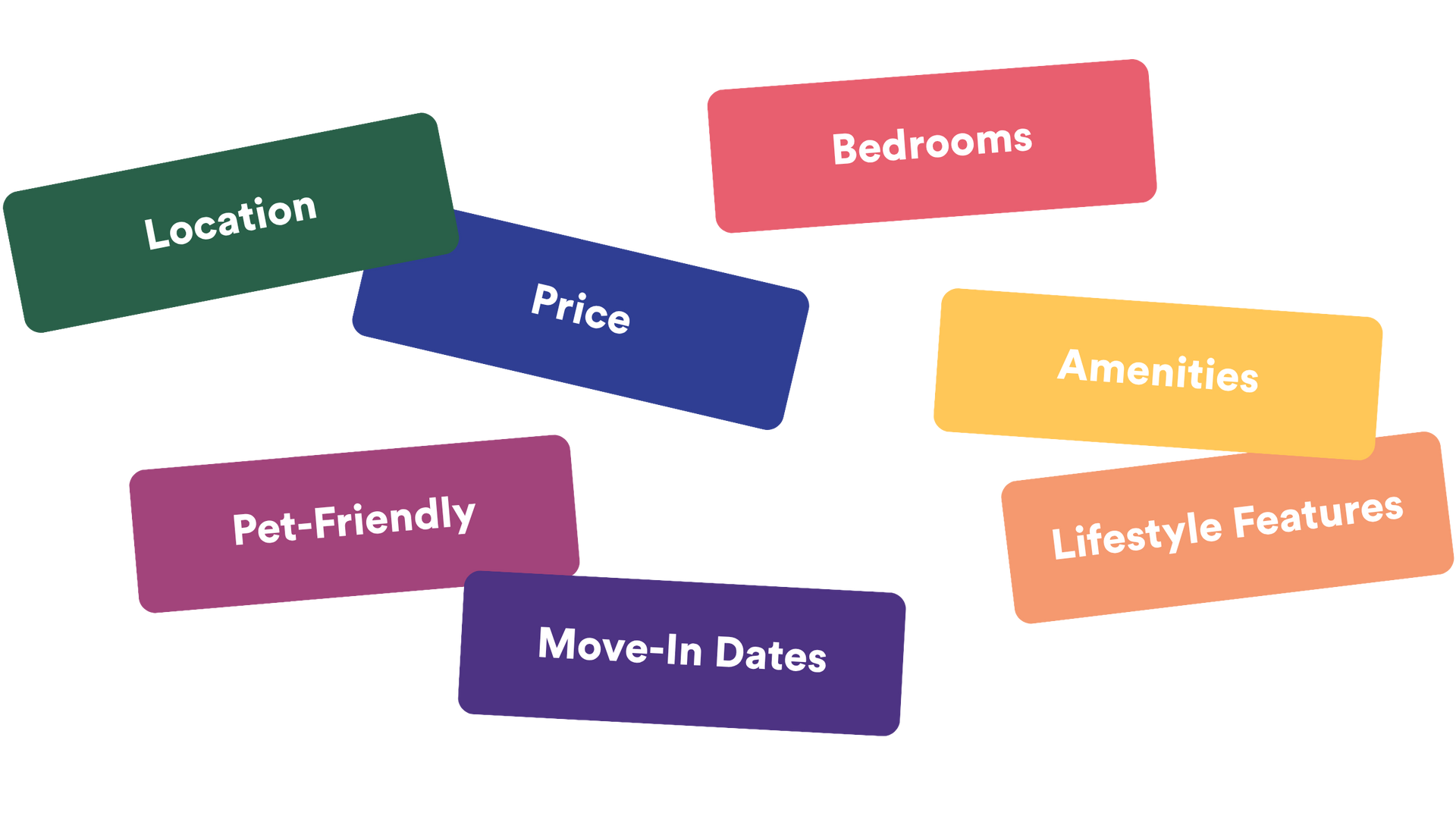
The easier it is for someone to narrow down their options, the faster they'll find a community that feels like home.
Why it matters: Great search experiences keep visitors exploring your portfolio instead of heading back to Google.
2. Let Every Community Shine While Keeping Your Brand Consistent
Think of your corporate website like a family photo. Every property has its own personality, but together they should clearly belong to the same family.
Consistent branding means:
- Familiar navigation
- Shared design styles
- Unified messaging
- Accessible layouts
- Professional photography
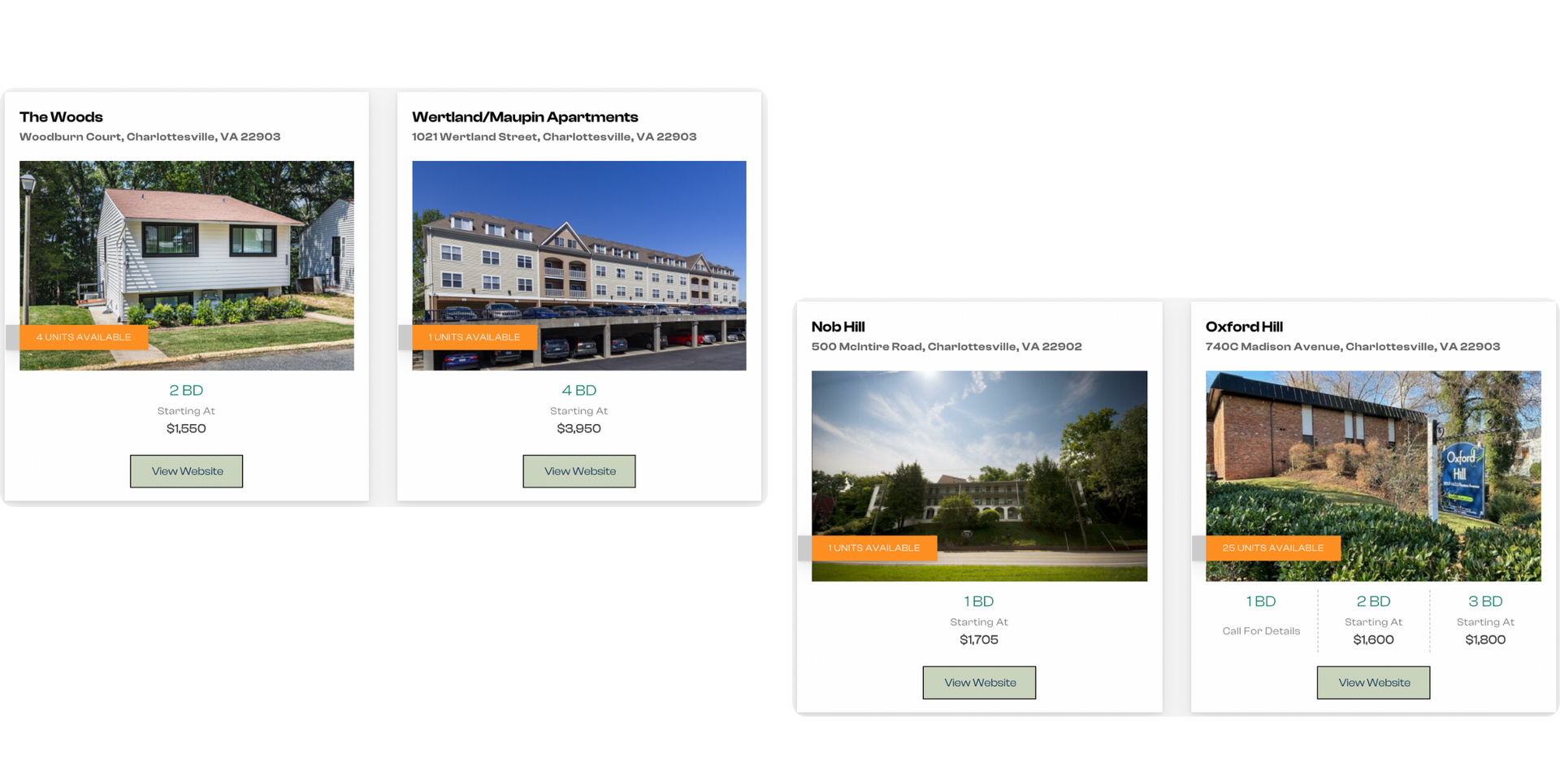
When every community feels connected, visitors build trust in your brand before they ever schedule a tour.
3. Stop Updating the Same Information Ten Different Times
No marketing team enjoys updating office hours across dozens of websites.
A centralized content management system makes life dramatically easier by allowing updates from one place.
Need to change office hours, leasing specials, or photos? Update it once, and let the system do the heavy lifting.
Why it matters: Less manual work means fewer mistakes, more consistency, and more time for your team to focus on marketing instead of maintenance.
4. Design for the Tiny Screen First
Here's a little challenge.
Pull out your phone and visit your own corporate website.
Can you easily:
- Find a property?
- Read the text?
- Schedule a tour?
- Tap the buttons?
- Fill out a contact form?
If not, your future residents are probably struggling too.
Since most apartment searches begin on a mobile device, every interaction should feel effortless, from browsing communities to contacting the leasing office.
5. Never Leave Visitors Wondering What to Do Next
Imagine walking into a beautiful leasing office...and nobody greets you. That's what happens when a webpage doesn't include a clear call-to-action.
Every page should answer one simple question: "What's my next step?"
Whether it's:
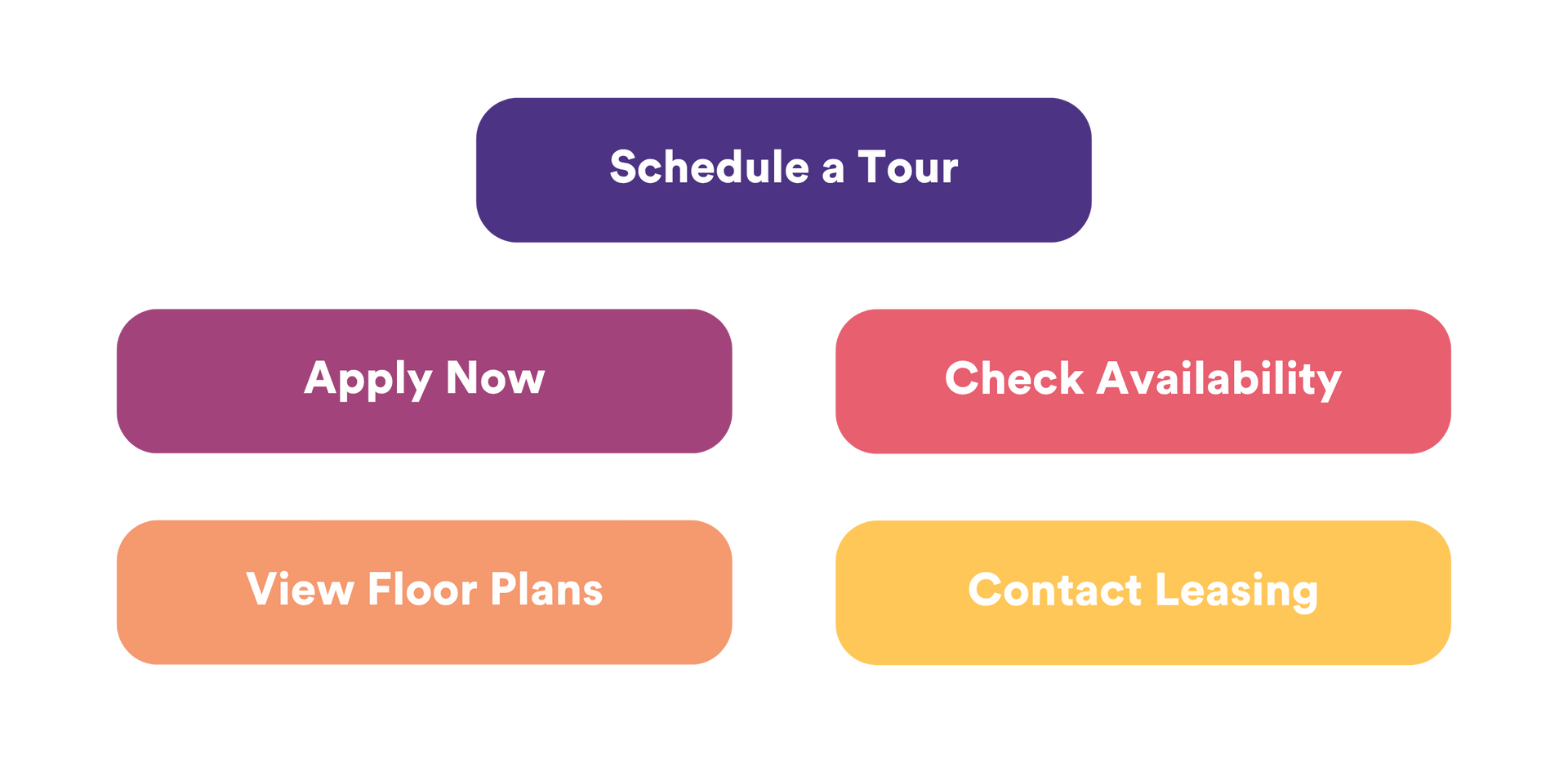
Make the next action obvious. A little guidance goes a long way.
6. Let Your Data Tell the Story
One of the best things about digital marketing? Your website is constantly giving you feedback.
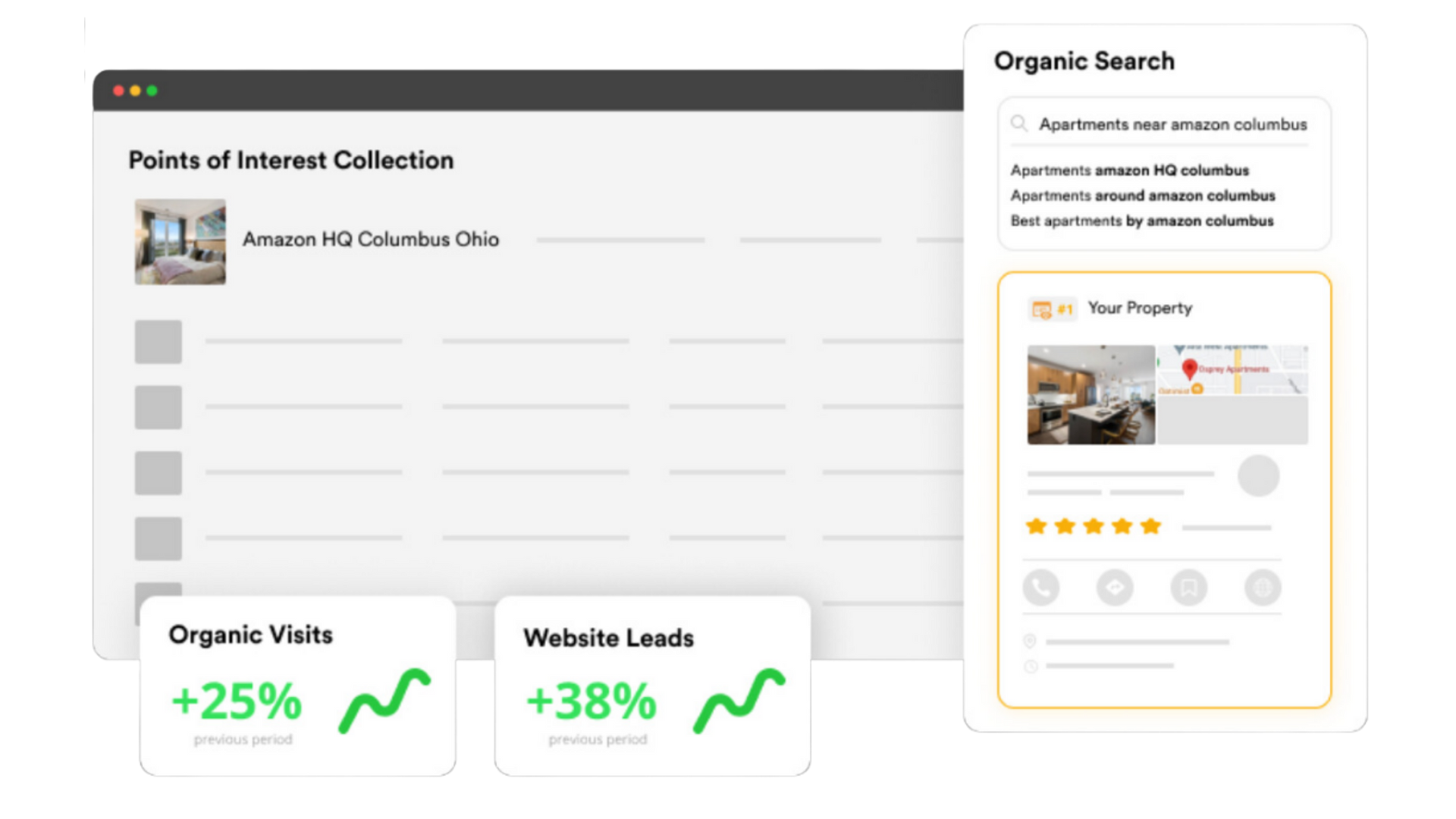
Analytics can reveal:
- Which communities attract the most interest
- Where visitors are dropping off
- Which pages generate tours
- How people search across your portfolio
- Which marketing campaigns actually work
Instead of guessing what residents want, you'll have real data to guide your decisions. That's a win for both marketing teams and leasing teams.
7. Build for the Portfolio You'll Have Tomorrow
Maybe you manage 20 communities today.
Maybe it'll be 75 next year.
Or 200 in five years.
Scalable websites include:
- Reusable page templates
- Shared design components
- Flexible navigation
- Centralized media libraries
- Integrations with property management systems
Your website should grow with you - not become harder to manage every time a new property joins the portfolio.
How MultiHub Makes This Easier
Without a centralized platform, your team might need to log into dozens of individual websites to make the same change over and over again.
With MultiHub, that update can be managed from one place and published across your portfolio, helping ensure every community stays accurate and on brand. The same approach can be used for amenities, property descriptions, photos, specials, and other shared content.
For marketing teams managing large portfolios, that translates into fewer manual updates, fewer opportunities for errors, and a much more efficient workflow.
Ready to Simplify Your Portfolio?
Your corporate website is the very first interaction someone has with your brand, and a thoughtfully designed site helps prospective residents find the right community faster, while supporting your leasing teams with better-qualified leads.
And in a competitive multifamily market, better experiences are what turn curious visitors into future residents.
If your team is spending more time managing websites than marketing communities, it may be time to rethink your approach.
Frequently Asked Questions
What is a corporate property portfolio website?
A corporate property portfolio website is the primary website for a property management company or ownership group. It allows visitors to explore multiple apartment communities, learn about the company's brand, and easily navigate to individual property websites.
Why is portfolio-wide search important?
People rarely search by property name. They search by location, budget, amenities, and lifestyle preferences. Portfolio-wide search helps them discover communities that meet their needs faster.
How does centralized content management help marketing teams?
It eliminates repetitive work by allowing teams to update information once and publish it across multiple communities, helping maintain consistency while saving valuable time.
Why should apartment websites be mobile-first?
Most prospective residents begin their apartment search on a mobile device. A fast, responsive website creates a smoother experience, encourages engagement, and increases the likelihood of generating qualified leads.
What makes a corporate website future-ready?
A future-ready website is built to scale. It supports portfolio growth with reusable templates, centralized management tools, flexible navigation, and integrations that simplify operations as new communities are added.
Repli Apartment Marketing Blog
Subscribe to our Newsletter & Blogs
Blog Post Subscribe Form
Share Our Post!
Apartment Marketing Blog