How E-E-A-T Impacts SEO
This is a subtitle for your new post
When it comes to your website content, you should always ask yourself three questions:
- Is it helpful?
- Is it reliable?
- Is it people-first?
If your answer to any of the above is “no,” then you’ll probably struggle to make your content matter to either your prospects or the almighty Google.
E-E-A-T
You might be asking yourself - what the heck is E-E-A-T?
Google uses many
different factors to rank content. From there, it’s prioritized by
another mix of factors that demonstrate aspects of experience, expertise, authoritativeness, and trustworthiness (aka: E-E-A-T).
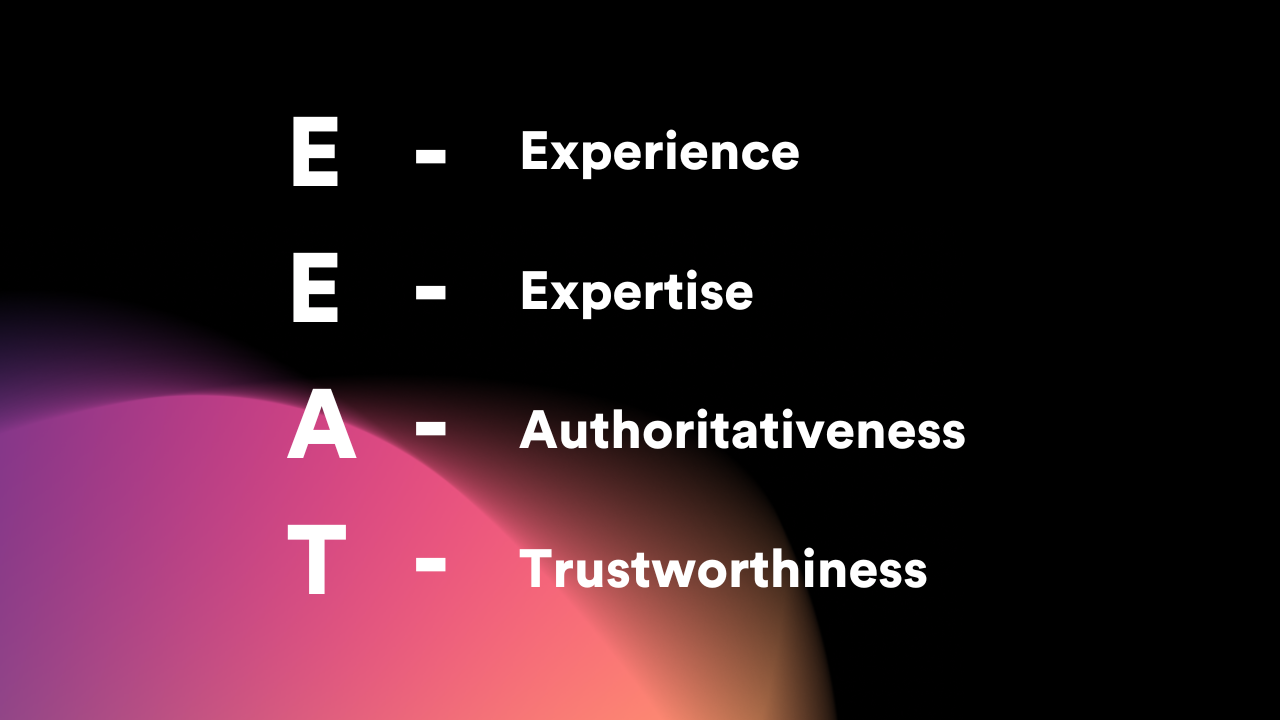
Trust, of course, is the most important.
But it’s also important to note that not all content has to demonstrate all portions of E-E-A-T to be considered “valuable.”
And while E-E-A-T itself
isn’t a ranking factor, Google does give more weight to content that aligns with E-E-A-T (especially on high-impact topics, like health, finance, safety, or societal welfare). It's essentially a framework that Google uses to evaluate content quality and rank webpages.
E-E-A-T and SEO
When it comes to search engine optimization (SEO), E-E-A-T matters because using this framework helps ensure the creation of high-quality content that performs well in Google results and with your prospects.
The better the E-E-A-T, the happier Google is.
Now, let’s break down E-E-A-T and dig deeper into why it matters.
Experience
How often do you look at reviews before making a purchase? All the time, right?
Well, that’s what experience is. It’s first-hand knowledge of whatever it is you’re writing about. It’s your unique perspective, insight, advice, and opinions.
Let’s take this review of a Kong toy from the Chewy website. Annie, the author, talks about having two dogs who love the toy (experience), and also provides an adorable picture (social proof).
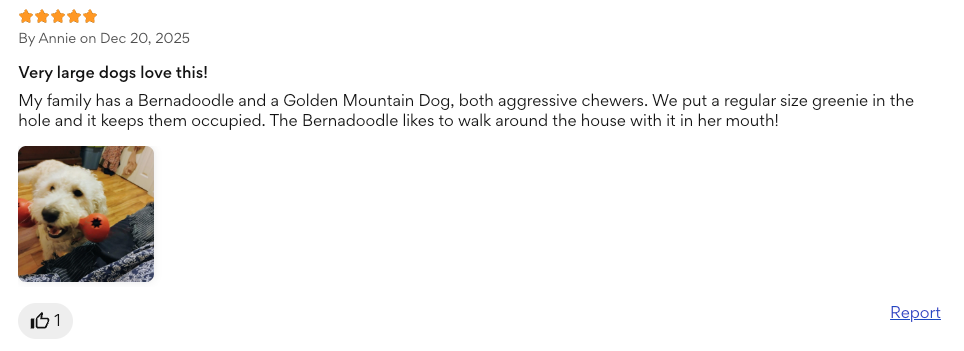
It’s helpful and insightful. It also talks about additional products they use with their dogs. Also, that Bernadoodle is clearly a reliable source.
Expertise
When you’re looking for advice, who do you go to?
Most likely, you’re going to seek out someone who has the expertise and know-how to help you.
For example, this article about the flu features a doctor’s expert advice.

Getting information directly from a doctor means readers are more likely to trust the answers provided. Additionally, Google may be more apt to rank the content higher.
However, expertise may not be required to create quality content.
For example, if you’re looking for ways to deal with flu symptoms, you may not seek out a doctor (expert). You might want to read a blog from a peer who has home remedies that have worked (experience).
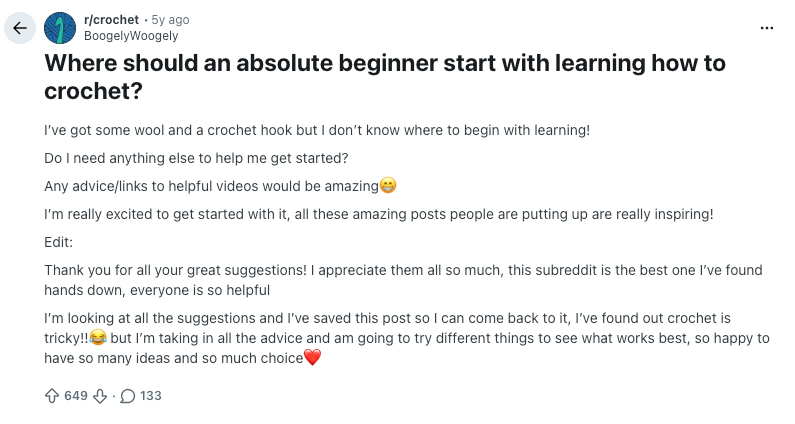
This is how pages like Reddit can rank very highly, while not necessarily having “experts” giving the instructions/advice.
Authoritativeness
Wikipedia was once seen as an “unreliable source.” Now, it’s nearly at the top of every Google search. Why?
Because Wikipedia has an
immense number of
backlinks.
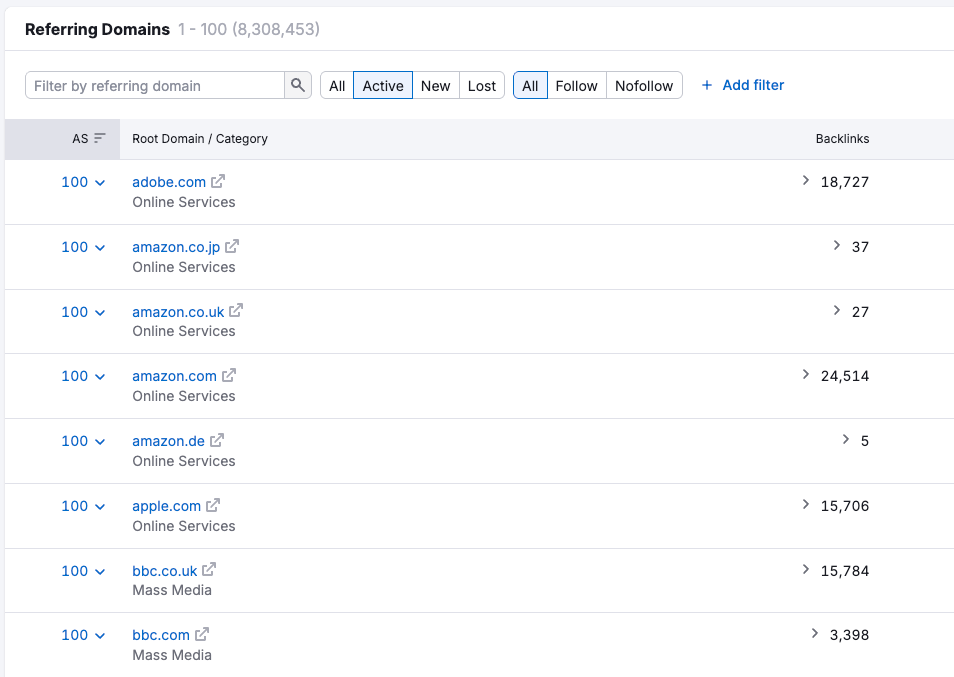
The more high-quality, relevant backlinks a website has, the more authoritative the website appears to be. And with over 8 million of them, including those from reputable sources, it’s clear Wikipedia has authoritativeness in spades.
Trustworthiness
How does Google determine the trustworthiness of a website?
Experience, expertise, and authoritativeness, of course.
Additionally, the website’s content should protect its visitors (security and privacy) and inspire confidence (trustworthiness).
This means the website:
- Needs to be secure
- Provides accurate, truthful, and relevant content
- Allows users to get help (if needed)
- Has relevant certifications, credentials, etc.
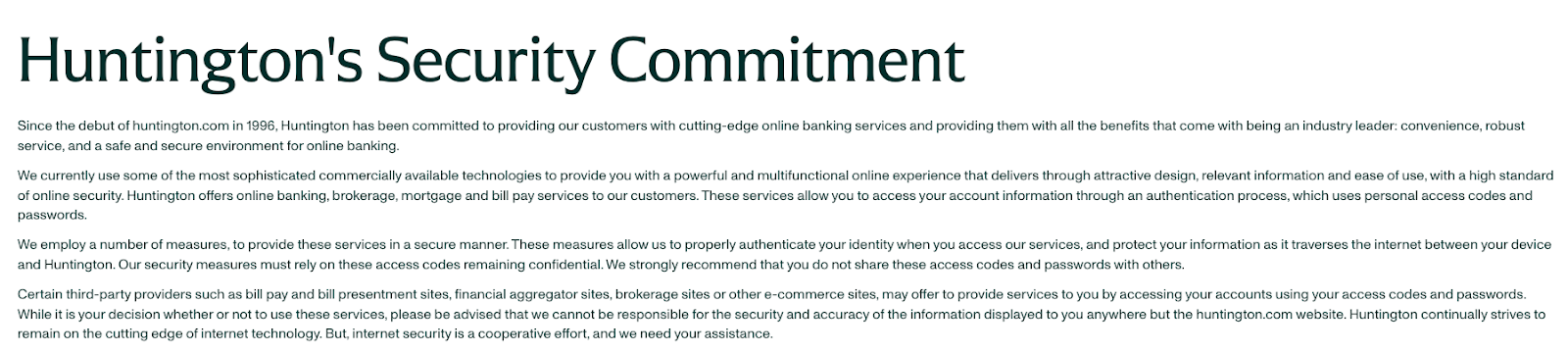
For example, Huntington Bank has a Privacy and Security Center that discusses its commitment to security and provides tips to users on how to protect themselves from fraud.
Bottom Line
Let’s be clear: E-E-A-T is the difference between ranking and disappearing.
Experience. Expertise. Authoritativeness. Trust. That’s the bar now.
Google doesn’t just want content — it wants proof that you know what you’re talking about. If your content could live on any competitor’s site without anyone noticing, you don’t have E-E-A-T. You have filler.
Because here’s the reality: rankings follow authority. Authority follows trust. And trust is built through experience-backed content that actually helps people.
If you want traffic that converts, not just traffic that spikes and disappears, E-E-A-T isn’t optional. It needs to become part of your long-term SEO strategy.
Don’t publish content just to check a box – build content that proves you deserve to rank.

ABOUT THE AUTHOR
Tracy is an Organic Media Specialist at Repli, where she helps multifamily marketers turn visibility into velocity. With a background in sales, multifamily, and reputation management, she specializes in connecting SEO strategy, online reputation, and renter behavior to uncover insights that fuel smarter marketing decisions and stronger leasing performance. When she’s not optimizing digital presence, she’s spending time with her family, binge-watching TV, or diving into a good book.
Repli Apartment Marketing Blog
Subscribe to our Newsletter & Blogs
Blog Post Subscribe Form
Share Our Post!
Apartment Marketing Blog